Why Contact Lenses Feel Unbearable by Dinnertime — And What Eye Care Professionals Want You to Know
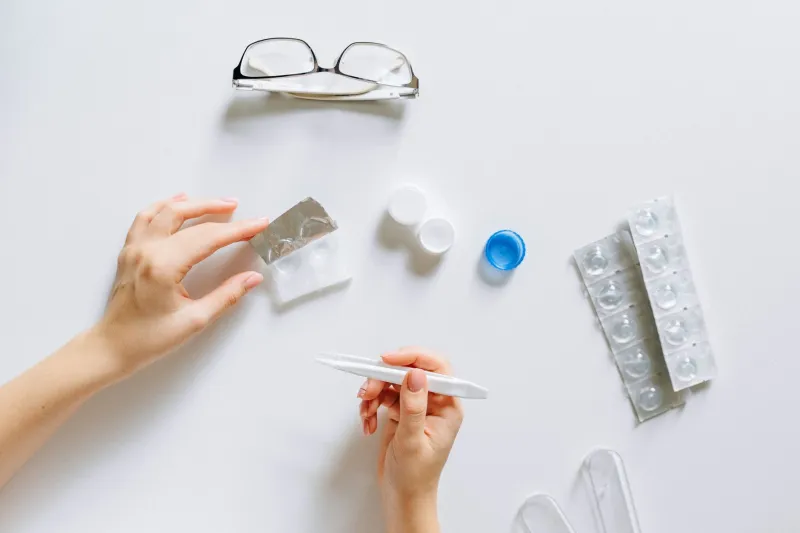
For many Americans who rely on contact lenses, the morning routine is seamless. The lenses go in, vision sharpens, and the day begins without a second thought. By late afternoon, however, a different story unfolds — one involving gritty sensations, redness, blurred vision, and an almost desperate urge to remove the lenses entirely. This phenomenon is so widespread that optometrists have given it a name: contact lens discomfort, or CLD.
According to estimates from the American Optometric Association, contact lens discomfort is one of the leading reasons patients discontinue lens wear altogether. Yet many of those individuals never seek a professional explanation. They simply assume their eyes are "not made for contacts" and move on. That assumption, in most cases, is incorrect.
The Science Behind the Afternoon Slump
Contact lenses are not passive objects. From the moment they are placed on the eye, they interact continuously with the tear film — a complex, three-layered structure responsible for keeping the ocular surface lubricated, nourished, and protected. The tear film consists of an outer lipid layer, a middle aqueous layer, and an inner mucin layer. When this balance is disrupted, discomfort follows.
Throughout the day, several forces conspire to destabilize the tear film. Evaporation is perhaps the most significant. Soft contact lenses, which are composed largely of water, gradually lose moisture as the hours pass. As the lens dehydrates, it draws water from the surrounding tear film to compensate, effectively borrowing moisture from the very surface it is supposed to protect. The result is a drier eye, a less stable tear film, and heightened sensitivity.
Environmental factors accelerate this process considerably. Office environments with forced-air heating or cooling, long hours in front of digital screens, and low ambient humidity all contribute to faster tear evaporation. Reduced blink rates — a well-documented consequence of screen use — compound the problem further, since blinking is the mechanism by which the tear film is replenished and spread evenly across the eye.
Protein Buildup: The Invisible Culprit
Beyond dehydration, protein and lipid deposits represent another significant contributor to end-of-day discomfort. The tear film naturally contains proteins, including lysozyme and albumin, which gradually adhere to the surface of contact lenses over the course of a wearing period. As these deposits accumulate, they alter the optical clarity of the lens, create surface irregularities that irritate the cornea, and can even trigger localized inflammatory responses.
Wearers who use extended-wear or monthly replacement lenses are particularly susceptible to deposit buildup, since the lens surface has more time to accumulate material between replacements. Daily disposable lenses eliminate this variable entirely, which is one reason many optometrists recommend them for patients who report consistent discomfort.
Lens Material Matters More Than Most Wearers Realize
Not all contact lenses are created equal. The material composition of a lens determines how much oxygen reaches the cornea, how well the lens retains moisture, and how readily it attracts deposits. Older hydrogel lenses, while still widely available and affordable, have lower oxygen transmissibility compared to newer silicone hydrogel materials. A cornea deprived of adequate oxygen becomes stressed and more prone to end-of-day irritation.
Silicone hydrogel lenses were developed specifically to address this limitation. They allow significantly more oxygen to pass through the lens material, reducing corneal hypoxia and the associated discomfort. However, silicone hydrogel lenses are not universally superior in every respect — they can sometimes feel stiffer and may interact differently with individual tear chemistries. An eye care professional is best positioned to determine which material profile suits a given patient.
Water content is another consideration. Counterintuitively, lenses with very high water content can sometimes cause more dryness, not less. High-water-content lenses may dehydrate more rapidly on the eye, drawing moisture away from the ocular surface in the process. Lenses designed with water gradient technology — where the water content is highest at the lens surface and tapers toward the core — have been developed to address this paradox.
Practical Steps Toward All-Day Comfort
For wearers experiencing consistent end-of-day discomfort, a structured response is more effective than simply tolerating the problem or abandoning lenses altogether.
Revisit the replacement schedule. If you are currently wearing bi-weekly or monthly lenses, a conversation with your optometrist about switching to daily disposables may be worthwhile. The elimination of deposit accumulation alone can produce a noticeable improvement in comfort.
Evaluate your lens care routine. For those using reusable lenses, the choice of cleaning solution is significant. Multipurpose solutions vary considerably in their preservative profiles, and some individuals develop sensitivities to common preservatives such as PHMB or polyquaternium-1. Hydrogen peroxide-based cleaning systems eliminate this concern entirely, as they neutralize completely before the lens contacts the eye. However, they require strict adherence to the neutralization process and are not appropriate for all users without professional guidance.
Use preservative-free lubricating drops. Many eye drops marketed for contact lens wearers contain preservatives that can accumulate on the lens surface and contribute to irritation. Preservative-free rewetting drops, available in single-use vials, offer a cleaner alternative. Applying them midday — particularly during prolonged screen sessions — can meaningfully extend comfortable wearing time.
Examine your environment. Positioning a desktop humidifier near your workstation, adjusting screen brightness, and making a conscious effort to blink fully and regularly are low-cost interventions that support tear film stability throughout the day.
Consider a reduced wearing schedule. Wearing lenses for fewer hours on demanding days, and keeping a current pair of glasses available as a backup, reduces cumulative ocular surface stress. This approach is not a concession — it is a reasonable accommodation to the biological realities of lens wear.
When to See an Optometrist
Persistent discomfort that does not respond to the above adjustments warrants a professional evaluation. Certain underlying conditions — including dry eye disease, meibomian gland dysfunction, and allergic conjunctivitis — can mimic or exacerbate contact lens discomfort and require targeted treatment rather than simple product changes.
An optometrist can conduct a thorough slit-lamp examination, assess tear film quality and quantity, and review the fit of your current lenses. Lens fit is frequently overlooked by patients, yet a lens that sits too tightly on the cornea restricts oxygen flow and tear exchange, contributing directly to the discomfort cycle.
The goal of contact lens wear should be vision correction that integrates naturally into daily life — not an endurance test to be survived until bedtime. With the right combination of lens selection, care habits, and professional oversight, comfortable all-day wear is an achievable standard for the vast majority of wearers.