Smart Strategies for Affordable Eye Care: A Practical Guide for Cost-Conscious Americans
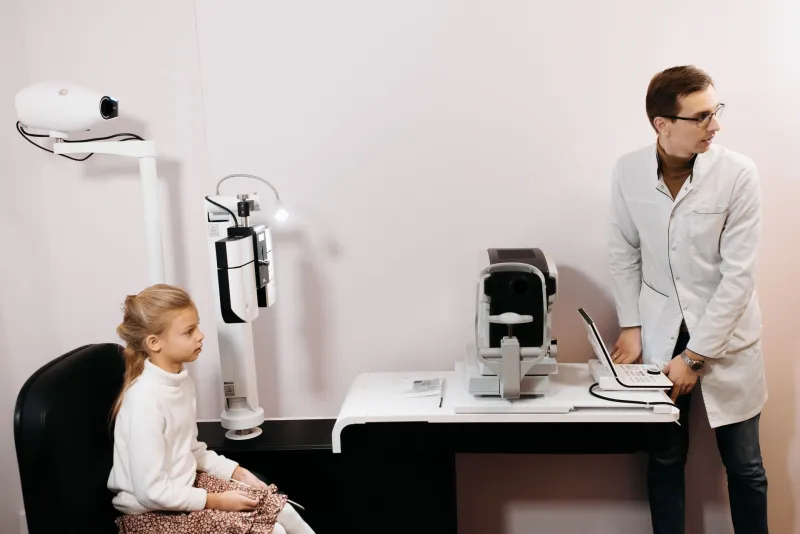
For millions of Americans, skipping an annual eye exam is less a matter of indifference and more a matter of economics. The average comprehensive eye exam in the United States costs between $100 and $200 without insurance, and that figure climbs considerably once frames, lenses, or contact lens fittings are added to the bill. Yet vision health is not a category where deferral comes without consequence. Outdated prescriptions contribute to eye strain, headaches, and diminished quality of life — and missed exams can allow serious conditions such as glaucoma or diabetic retinopathy to progress undetected.
The good news is that affordable, high-quality eye care is more accessible than most people assume. The key lies in knowing where to look.
Understanding What Vision Insurance Actually Covers
Before exploring alternative options, it is worth taking stock of what vision benefits may already be available to you. Many employer-sponsored health plans offer supplemental vision coverage through carriers such as VSP, EyeMed, or Davis Vision. These plans typically cover one comprehensive exam per year and provide an allowance toward frames or contact lenses.
If your employer does not offer vision coverage, individual vision insurance plans are available through the Health Insurance Marketplace and directly from insurers. Monthly premiums for standalone vision plans often range from $10 to $20, which can represent significant savings for individuals who wear corrective lenses. Medicaid covers vision care for children in all states, and many states extend some level of adult vision benefits as well — a detail that is frequently overlooked by eligible enrollees.
Medicare, it should be noted, does not cover routine eye exams for glasses or contacts under Original Medicare. However, Medicare Advantage plans frequently include vision benefits as part of their expanded coverage packages, making them worth comparing carefully during open enrollment.
Federally Qualified Health Centers: An Underutilized Resource
One of the most reliable yet underutilized avenues for affordable eye care in the United States is the network of Federally Qualified Health Centers, commonly referred to as FQHCs. These community health centers receive federal funding and are required by law to offer services on a sliding-fee scale based on income. For patients who qualify at the lowest income tiers, exams may cost as little as $20 or even less.
FQHCs are located throughout the country, including in rural communities that are often underserved by private optometry practices. The HRSA Health Center Finder, available through the federal government's health resources website, allows patients to locate the nearest facility by zip code. While wait times can be longer than at private practices, the quality of care provided at these centers is held to federal standards.
Some teaching hospitals and optometry schools also offer discounted exams performed by supervised students. Institutions affiliated with accredited optometry programs — such as those associated with the Illinois College of Optometry or the Southern California College of Optometry — provide thorough, carefully supervised examinations at a fraction of typical private practice rates.
Retail Optical Chains: Convenience and Competitive Pricing
Major optical retailers such as Costco Optical, Walmart Vision Center, and America's Best have made comprehensive eye care significantly more accessible through competitive pricing structures. Costco, in particular, is frequently cited by consumer advocacy organizations for offering some of the lowest prices on both exams and eyewear in the country. A comprehensive exam at a Costco Optical center typically costs between $60 and $80, and the retailer's frame and lens pricing is consistently competitive.
America's Best operates on a model built around bundled pricing, often advertising two pairs of glasses and an exam for a flat fee. While upsells for lens upgrades are common, the base pricing remains among the most accessible in the retail optical market.
It is worth noting that exams conducted at retail optical centers are performed by licensed optometrists and meet the same professional standards as those in private practice settings. Patients who receive a prescription are legally entitled to a copy of that prescription under the FTC's Eyeglass Rule, which can then be used to shop for frames and lenses wherever pricing is most favorable — including online retailers.
Online Eyewear Retailers: Savings With Caveats
The emergence of direct-to-consumer eyewear brands has introduced another layer of pricing flexibility for Americans with existing prescriptions. Companies such as Zenni Optical, Warby Parker, and EyeBuyDirect offer prescription glasses at prices that can be dramatically lower than traditional optical shops, with basic single-vision frames starting as low as $6 at some retailers.
For individuals with straightforward prescriptions who are comfortable ordering without an in-person fitting, online eyewear can represent genuine savings. However, patients with complex prescriptions — including high astigmatism, progressive lenses, or significant pupillary distance variations — are generally better served by in-person fitting to ensure optical accuracy. The cost savings of an online purchase can be offset if the resulting glasses cause discomfort or fail to correct vision properly.
Assistance Programs Worth Knowing About
Several nonprofit and industry-funded programs exist specifically to help low-income Americans access eye care. EyeCare America, a program of the American Academy of Ophthalmology Foundation, provides free eye exams and up to one year of care for eligible seniors and individuals at risk for eye disease. InfantSEE offers free eye assessments for infants between six and twelve months of age through participating optometrists.
Giving the Gift of Sight, administered through Lions Clubs International, and the Vision USA program offered through the American Optometric Association are additional resources that connect qualifying patients with donated care.
When Premium Care Is Worth the Investment
Budget strategies are valuable, but it is equally important to recognize circumstances in which investing in specialized or premium care is the prudent choice. Patients managing chronic conditions such as diabetes, glaucoma, or macular degeneration benefit from the continuity and specialized equipment available at ophthalmology practices. Similarly, individuals experiencing sudden changes in vision, eye pain, or visual disturbances should seek evaluation promptly rather than waiting for a discounted appointment slot.
Preventive care is, in the long run, the most cost-effective approach to vision health. A missed diagnosis caught early is far less expensive — financially and medically — than a condition that has been allowed to advance.
Taking the Next Step
Affordable eye care is not a matter of compromising on quality. It is a matter of understanding the landscape of available options and making informed decisions based on your individual needs and financial circumstances. Whether your path leads to a community health center, a retail optical chain, or a vision insurance plan, the most important step is ensuring that your eyes receive the professional attention they require — every year, without exception.