The Hidden Dangers in Your Contact Lens Case: What Most Wearers Get Wrong Every Single Night
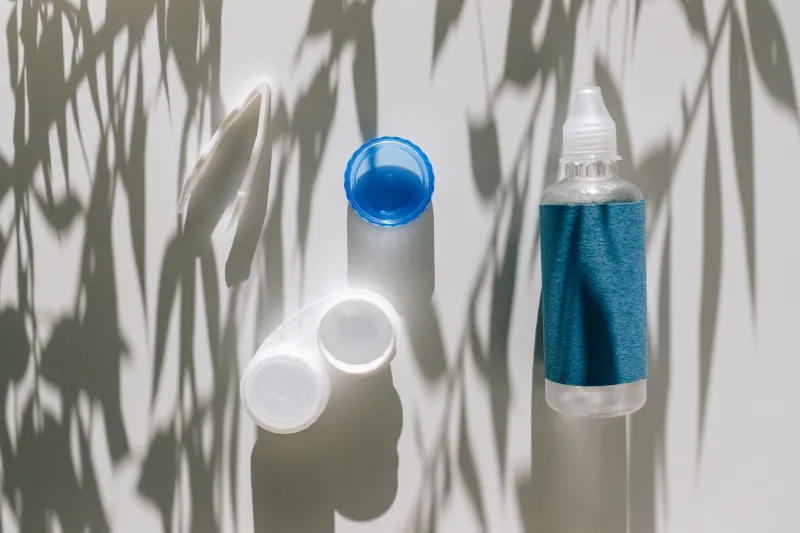
More than 45 million Americans wear contact lenses. For most, the nightly routine feels mundane — a few seconds at the bathroom sink before bed, a quick rinse, and lenses tucked away until morning. Yet that unremarkable ritual, repeated hundreds of times a year, is where a significant number of preventable eye infections originate.
According to the Centers for Disease Control and Prevention, nearly one in three contact lens wearers has experienced an eye infection or complication at some point. More troubling, research consistently shows that the majority of wearers engage in at least one hygiene practice their eye care provider would strongly advise against. The gap between what people believe constitutes adequate lens care and what actually qualifies as safe is wider than most realize.
Why Contact Lens Hygiene Carries Higher Stakes Than It Appears
The eye is a remarkably sensitive organ, and the cornea — the transparent dome at the front of the eye — is particularly vulnerable. Unlike most body surfaces, the cornea has no blood vessels. It relies on the tear film and ambient oxygen for nourishment, which means its ability to fight off infection is inherently limited.
A contact lens, by design, sits directly on the corneal surface for hours at a time. When that lens carries even a modest bacterial or microbial load, it creates prolonged, intimate contact between a pathogen and one of the body's most delicate tissues. The consequences can range from a mild, self-resolving irritation to conditions such as microbial keratitis — a corneal infection that, in severe cases, can cause lasting vision impairment or require a corneal transplant.
The organism that draws the most concern among eye care specialists is Acanthamoeba, a microscopic organism found in ordinary tap water, swimming pools, and even some municipal water supplies. Exposure to this pathogen through improper lens care is rare but profoundly serious. Acanthamoeba keratitis is notoriously difficult to treat and can result in permanent scarring.
The Most Common Hygiene Mistakes — And Why They Persist
Rinsing the lens case with tap water. This is among the most widespread errors, and it is particularly dangerous. Tap water, regardless of how clean it tastes or looks, is not sterile. It can harbor Acanthamoeba and various bacteria. The correct practice is to rinse the case exclusively with fresh contact lens solution, then allow it to air dry face-down on a clean tissue.
Topping off solution rather than replacing it. Adding a small amount of fresh solution to the residual liquid already in the case — commonly called "topping off" — is a habit many wearers adopt to conserve product. Unfortunately, this practice dramatically reduces the antimicrobial effectiveness of the solution. Disinfectants in contact lens solutions work at specific concentrations. Diluting them with older, potentially contaminated fluid renders them far less effective. Every evening, the case should be emptied completely before fresh solution is added.
Using solution past its discard date. Multi-purpose solutions carry expiration dates for a reason. Once opened, most are intended to be used within a defined window — typically 90 days — after which their disinfecting properties may degrade. Many wearers do not track opening dates, and bottles sometimes remain in use well beyond their effective period.
Sleeping in lenses not approved for overnight wear. Even among lenses specifically labeled for extended wear, sleeping in contact lenses significantly reduces oxygen flow to the cornea and increases the risk of bacterial overgrowth. For lenses not approved for overnight use, the risk is considerably higher. Fatigue at the end of a long day is one of the most commonly cited reasons people fall asleep without removing their lenses — a lapse that eye care providers see the downstream effects of regularly.
Neglecting to replace the lens case frequently enough. The lens case itself is a vessel for microbial accumulation. Even with proper cleaning habits, cases should be replaced at minimum every three months — or whenever a new bottle of solution is opened, whichever comes first. Many wearers keep the same case for considerably longer.
Handling lenses with unwashed hands. The hands are among the primary vehicles for transferring bacteria and other microorganisms to the eye. Washing hands thoroughly with soap and water — and drying them with a lint-free towel before handling lenses — is a foundational step that is frequently abbreviated or skipped entirely when time feels short.
Debunking Persistent Myths About Lens Care
Several misconceptions continue to circulate among lens wearers, sometimes passed along informally between friends or family members.
"Saliva works in a pinch to re-wet a lens." This is false and potentially harmful. The human mouth contains hundreds of bacterial species, many of which have no business being introduced to the ocular surface.
"If I only wear my lenses for a few hours, I don't need to clean them properly." Duration of wear does not eliminate the need for thorough disinfection. Lenses accumulate deposits and microorganisms regardless of how briefly they are worn.
"Hydrogen peroxide systems are too complicated and not worth the effort." Hydrogen peroxide-based lens care systems are actually among the most effective disinfection options available. When used correctly — meaning lenses are neutralized for the full recommended time before insertion — they provide a high level of antimicrobial action and are often recommended for wearers with sensitivities to the preservatives found in multi-purpose solutions. They require more careful handling, but are far from impractical.
A Practical Checklist for Lens Hygiene That Eye Care Professionals Endorse
The following steps reflect current guidance from optometric and ophthalmologic organizations:
- Wash and dry hands before any contact with lenses or the case.
- Remove lenses before water exposure — including showering, swimming, and washing your face.
- Rub and rinse each lens with fresh solution even when using a "no-rub" product; mechanical action improves cleaning efficacy.
- Empty the case completely, rinse with fresh solution only, and allow it to air dry face-down on a clean tissue each morning.
- Replace the lens case every three months at minimum.
- Do not top off solution — discard the old liquid and refill with fresh product each night.
- Track the opening date of solution bottles and discard according to the manufacturer's instructions.
- Never sleep in lenses unless they are specifically approved for extended wear and your eye care provider has endorsed that practice for your eyes.
- Follow the replacement schedule for your specific lens type. Daily disposables should never be worn beyond a single day; two-week and monthly lenses require strict adherence to their respective schedules.
When to Contact Your Eye Care Provider
Any unusual redness, pain, light sensitivity, blurred vision, or discharge warrants prompt attention from an eye care professional. These symptoms, particularly when they arise in a contact lens wearer, should never be attributed to minor irritation and left unaddressed. Early intervention in cases of corneal infection can be the difference between a full recovery and lasting visual impairment.
Annual comprehensive eye examinations are also an important component of safe contact lens wear. These appointments allow providers to evaluate corneal health, confirm that the current lens prescription and modality remain appropriate, and reinforce hygiene guidance specific to each patient's habits and risk factors.
The Larger Picture
Contact lenses are a safe and effective vision correction tool when managed properly. The infections and complications that make headlines are, in the majority of cases, preventable. The barrier between a healthy outcome and a serious one is often nothing more than a few additional minutes of attentive care each day.
For wearers who feel uncertain about their current routine, a conversation with their optometrist or ophthalmologist is the most direct path to clarity. Eye care professionals are well-positioned to assess individual habits, identify specific risk points, and recommend adjustments tailored to a patient's lifestyle. That kind of personalized guidance, grounded in clinical expertise, is ultimately what transforms a perfunctory nightly routine into a genuinely protective one.