Shoot, Scroll, Repeat: How Constant Smartphone Photography Is Quietly Taxing Your Eyes
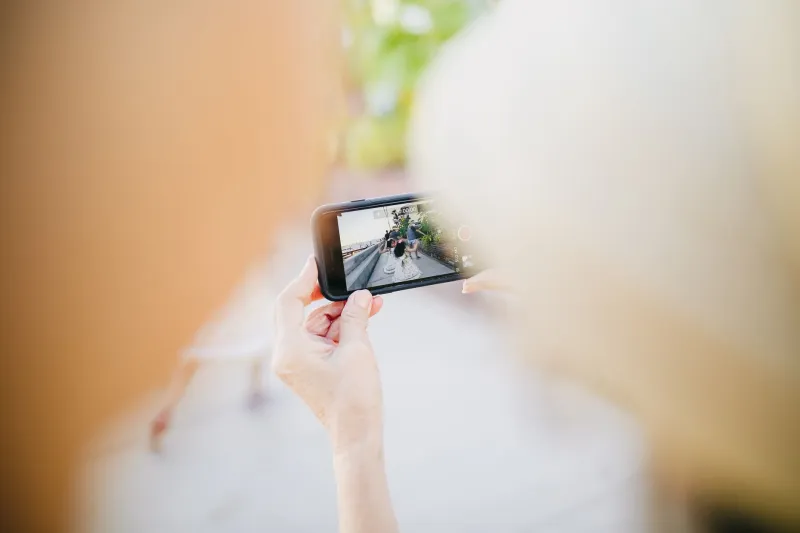
For many Americans, the smartphone camera has become an extension of daily life. Whether documenting a meal, capturing a sunset, or building a social media presence, the average person now takes hundreds of photographs each week. The convenience is undeniable. But optometrists are beginning to pay closer attention to a pattern of visual complaints that appears closely tied to this habit — a cluster of symptoms that some clinicians have started calling camera eye fatigue.
It may seem like a minor concern, but the optical mechanics involved in continuous smartphone photography differ meaningfully from ordinary screen use. Those differences matter more than most people realize.
How the Eye Focuses — And Why the Camera Complicates It
To appreciate why photography places a particular burden on vision, it helps to understand how the eye's focusing system operates. The process is called accommodation — the ability of the eye's crystalline lens to change shape in order to bring objects at varying distances into sharp focus. When you shift your gaze from a nearby object to something in the distance, tiny ciliary muscles inside the eye contract and relax, adjusting the lens accordingly.
Passive screen viewing, such as reading an article or watching a video, demands accommodation at a fairly fixed distance. The eyes settle into a relatively stable focal point and hold it. Fatiguing? Yes — especially over long periods. But the strain is comparatively predictable.
Photography introduces a different dynamic. When composing a shot through a smartphone screen, the eyes are constantly alternating between the live preview on the display, the subject being photographed — which may be moving or at a changing distance — and, frequently, the surrounding environment to check for background elements. This rapid, repetitive cycling of focal distances activates the ciliary muscles far more aggressively than passive viewing does. Over hours of shooting, the cumulative muscular load becomes significant.
Symptoms That May Signal Camera Eye Fatigue
The symptoms associated with camera eye fatigue overlap with general digital eye strain but tend to present with some distinguishing characteristics. Individuals who photograph extensively often report:
- Blurred vision that worsens as the day progresses, particularly when trying to focus on distant objects after extended close-up shooting
- Headaches centered around the temples or behind the eyes, often emerging in the afternoon or evening
- Difficulty refocusing when setting the phone down and looking at objects across the room
- Eye fatigue and heaviness, sometimes accompanied by a sensation of dryness or mild irritation
- Increased light sensitivity by the end of a long shooting session
It is worth noting that these symptoms are not exclusive to professional photographers. Casual users who spend significant time on platforms like Instagram, TikTok, or Snapchat — constantly capturing and immediately reviewing content — may experience a similar pattern, simply because the behavior repeats throughout the day in short, frequent bursts.
The Screen Brightness and Glare Factor
Beyond the accommodation demands, the visual environment of smartphone photography adds further stress. Outdoor shooting in bright conditions often prompts users to raise screen brightness to maximum levels, which increases glare and forces the eyes to work harder to interpret the image on the display. Shooting in low-light settings, conversely, causes the pupils to dilate and the eyes to strain toward detail in the dimly lit preview.
Glare from surrounding light sources reflecting off the phone screen is a particular problem. Unlike a dedicated camera viewfinder, which shields the eye from ambient light, a smartphone screen is fully exposed. The eyes constantly compensate for this interference, adding another layer of muscular and neurological effort.
Posture, Distance, and the Compounding Effect
The physical posture adopted during smartphone photography compounds these optical challenges. Many users hold their devices closer than the recommended 16 to 18 inches when zooming in on a subject or reviewing a freshly taken shot. This shortened viewing distance intensifies the accommodation demand. Pair that with the forward head tilt common to phone use, which can restrict circulation and increase tension in the muscles surrounding the eyes, and the conditions for fatigue are well established.
For content creators and social media enthusiasts who spend additional time editing and captioning photos immediately after shooting, there is often no meaningful visual rest between activities. The eyes move from active photography directly into close-up screen work with no recovery interval.
Practical Strategies for Protecting Your Vision
The goal is not to discourage photography — it is to make the habit sustainable for long-term eye health. Several evidence-informed strategies can meaningfully reduce camera-related visual fatigue.
Apply the 20-20-20 rule with intention. This widely recommended guideline — every 20 minutes, look at something 20 feet away for 20 seconds — is especially valuable for photographers. Setting a discreet reminder helps ensure compliance, particularly during long outdoor sessions when it is easy to lose track of time.
Maintain a consistent holding distance. Train yourself to keep the phone at arm's length when composing shots rather than drawing it in for a closer look. Use the pinch-to-zoom feature on the screen rather than physically moving the device closer to your face.
Reduce screen brightness when conditions allow. Auto-brightness settings do not always optimize for eye comfort. In moderately lit environments, manually lowering the screen brightness to a comfortable level reduces photostress without meaningfully compromising the ability to compose a shot.
Use viewfinder apps or accessories where possible. Some photography accessories attach a lens hood or viewfinder to the smartphone, partially shielding the screen from ambient glare. While not universal, these tools can reduce the contrast-related strain that outdoor shooting imposes.
Schedule deliberate visual breaks. Between shooting sessions, spend several minutes looking at distant objects — a tree line, a building across the street, the horizon. This allows the ciliary muscles to relax and partially recover before the next round of active focusing.
Blink consciously and often. Concentration during photography suppresses the blink reflex, which reduces tear film distribution across the cornea. A dry, under-lubricated eye fatigues more quickly. Making a conscious effort to blink fully and regularly during shooting sessions helps maintain ocular surface health.
When to Consult an Eye Care Professional
Occasional eye fatigue after a long day of photography is generally not a cause for alarm. However, persistent blurry vision that does not resolve with rest, recurring headaches, or difficulty refocusing after phone use warrants a comprehensive eye examination. These symptoms can also indicate an underlying refractive error — nearsightedness, farsightedness, or astigmatism — that smartphone use is simply making more apparent.
An optometrist can assess the health of the accommodation system, evaluate for early signs of digital eye strain, and determine whether corrective lenses or specialized coatings might reduce the visual burden of daily photography. For those who use smartphones professionally, this conversation is worth initiating proactively rather than waiting for symptoms to escalate.
A Clearer Picture of Modern Eye Health
The smartphone camera has transformed how Americans experience and document the world. That transformation carries genuine optical costs that deserve acknowledgment. Camera eye fatigue is not a dramatic or dangerous condition in most cases, but it is a real and underrecognized form of visual stress that accumulates quietly over time.
By understanding how the eye's focusing system responds to the unique demands of smartphone photography — and by adopting simple, consistent protective habits — it is entirely possible to pursue a passion for photography or an active social media presence without compromising long-term vision health. As with so much in eye care, awareness is the essential first step.