Redness Relievers, Lubricants, and Everything in Between: A Practical Guide to the Eye Drop Aisle
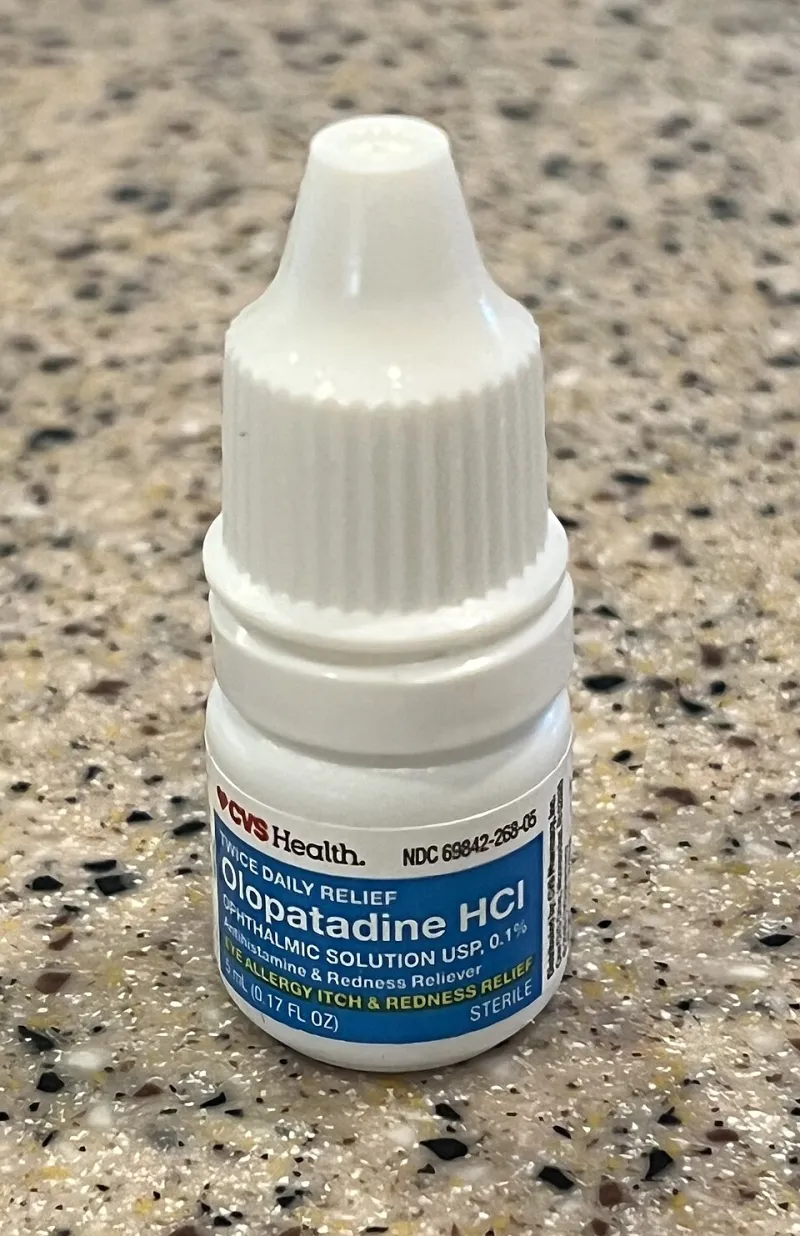
Photo: TaurusEmerald, CC BY-SA 4.0, via Wikimedia Commons
Standing in front of the eye care section at a CVS or Walgreens can feel like a pop quiz you never studied for. Rows of small bottles promise to erase redness, soothe burning, banish allergies, or deliver 'all-day relief' — often with overlapping claims and ingredient lists written in fine print. Yet not all of these products work the same way, and a few can quietly make the very problem you are trying to solve considerably worse.
Start With the Symptom, Not the Shelf
Before comparing brands, identify what you are actually treating. Dry, gritty, tired eyes call for lubrication. Itchy, watery eyes during pollen season point to allergies. Bloodshot eyes after a late night or a long flight are usually a redness problem. Matching the product to the symptom matters more than matching it to the flashiest label.
The Rebound Redness Problem
The most misunderstood products on the shelf are the 'get the red out' drops. Their active ingredients — vasoconstrictors such as tetrahydrozoline or naphazoline — work by squeezing the tiny blood vessels on the eye's surface, making them less visible. The effect is cosmetic and temporary.
What the packaging does not emphasize is what happens next. With regular use, those vessels can dilate even more forcefully once the drop wears off, a phenomenon eye doctors call rebound hyperemia. The result is a cycle in which the eyes look redder between doses, prompting more frequent use. Ophthalmologists regularly see patients who have been using these drops several times a day for months and whose baseline redness is worse than when they started.
Occasional use before a job interview or a photo is unlikely to cause harm. Daily dependence is a different story.
Artificial Tears: Why the Preservative Question Matters
Lubricating drops are the workhorses of the aisle, and for most people with mild dryness they are the right choice. But read the label for preservatives. Many multi-dose bottles contain benzalkonium chloride (BAK), a preservative that is fine for occasional use but can irritate the ocular surface with frequent application — and can even damage the cells that produce the eye's natural tear film.
If you find yourself reaching for drops more than four to six times a day, preservative-free formulations in single-use vials are the safer option. They cost more per drop, but they eliminate the irritation risk entirely.
Allergy Drops: Know the Difference Between Antihistamines and Mast-Cell Stabilizers
Seasonal allergy drops generally fall into two camps. Antihistamine drops deliver fast relief by blocking the histamine that triggers itching. Mast-cell stabilizers take longer to work — often days — but prevent allergic reactions from developing in the first place. Some products combine both mechanisms.
If your symptoms flare predictably each spring, an ophthalmologist may recommend starting a mast-cell stabilizer a couple of weeks before pollen season begins in your region, then using an antihistamine drop for breakthrough itching.
Ingredients Worth Approaching With Caution
A few label entries deserve scrutiny:
- Vasoconstrictors (tetrahydrozoline, naphazoline): effective for cosmetic redness but prone to rebound with overuse.
- BAK preservative: acceptable occasionally, problematic with heavy use.
- Drops marketed for 'whitening' plus 'lubrication' in one: often a vasoconstrictor wearing a soothing disguise.
When to Skip the Aisle Entirely
Certain symptoms call for a professional rather than a purchase. Pain, light sensitivity, discharge, blurred vision that does not clear with blinking, or redness in a contact lens wearer all warrant a prompt examination. Contact lens wearers in particular should never treat eye irritation with drops alone — the combination of lenses and untreated infection can threaten vision.
A Simple Decision Framework
Dry and gritty? Choose preservative-free artificial tears. Seasonally itchy? An antihistamine drop, ideally discussed with a doctor if it recurs yearly. Cosmetic redness once in a while? A vasoconstrictor is fine in moderation. Redness every day? That is a question for an eye exam, not a bottle.
The pharmacy aisle rewards informed shoppers. A few minutes spent reading active ingredients — rather than marketing claims — can spare your eyes weeks of unnecessary irritation.